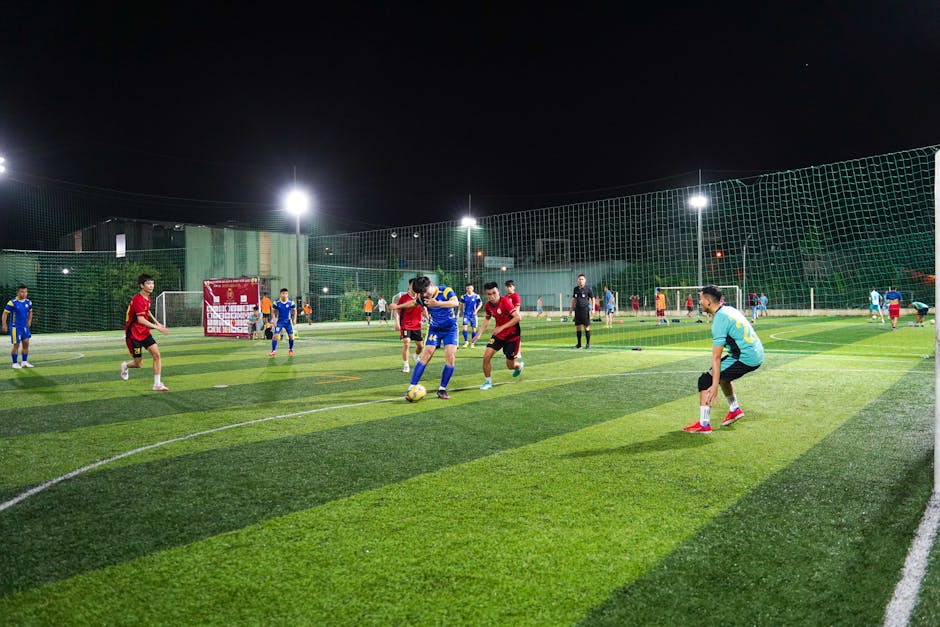
It can be a challenge for natural grass fields to keep up with heavy schedules, changing weather, and rising maintenance costs. As a result, many facilities are turning to synthetic turf sports fields to improve playability, safety, and long-term value. Modern turf systems are engineered to deliver consistent performance, support extended use, and meet strict safety standards. Here’s how today’s turf technology enhances athletic performance, protects players, and offers lasting financial benefits.
Enhanced Safety and Injury Prevention
Player safety is the most critical factor in any sports turf installation. Natural grass can develop hidden potholes, uneven ruts, or slick mud patches, and synthetic turf provides a perfectly level surface that prevents trips and ankle rolls.
Shock Absorption
High-quality installations utilize specialized shock pads beneath the turf. These pads are important for meeting G-max ratings and critical fall height requirements, which measure the surface’s ability to absorb impact and protect athletes from concussions and joint injuries.
Hygiene and Health
Synthetic surfaces are naturally hypoallergenic and sterile. This means that harsh pesticides and fertilizers are not needed, which provides a cleaner environment for athletes with sensitivities.
Unmatched Performance and Playability
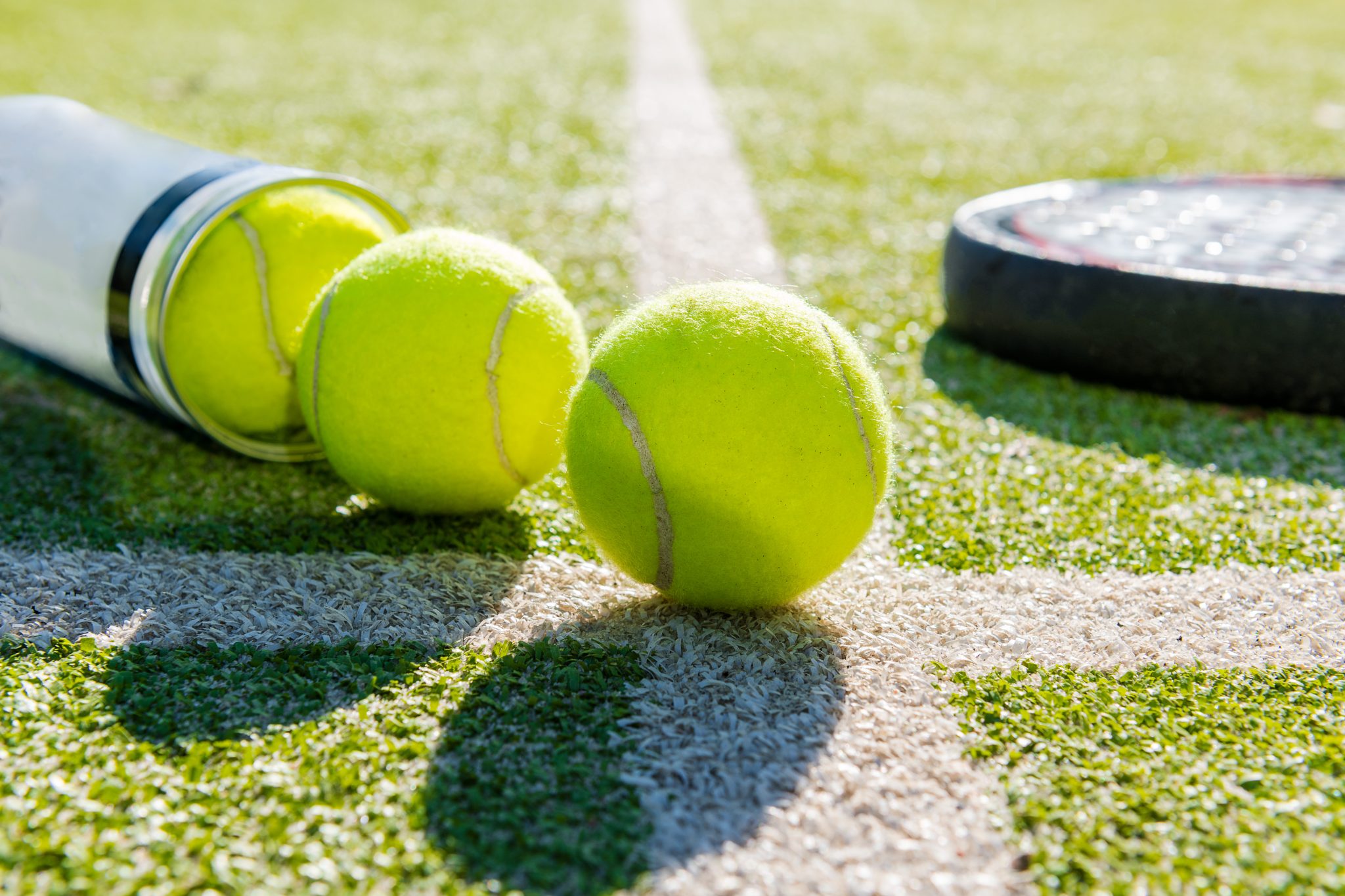
A big advantage of synthetic turf sports fields is the ability to customize the surface for specific athletic needs. Whether it’s soccer, football, or lacrosse, the pile height and fiber structure can be adjusted to ensure the “true” ball roll and traction required for high-level play.
While a natural field might only handle 20 to 30 hours of use per week before deteriorating, a synthetic field can handle 80+ hours, which lets teams practice and play on the same surface without damaging it.
The Long-Term Financial Argument
While the initial investment in a sports turf installation is higher than sod, the long-term ROI is undeniable.
- Maintenance Savings: Facility managers can eliminate the costs of mowing, irrigation, and repainting lines for every game. Over the 10-15-year projected lifespan of the turf, these savings often pay for the installation itself.
- Water Conservation: In a state like Florida, the reduction in water usage for a large-scale field is both an environmental and financial win.
Choosing a Qualified Sports Turf Installation Partner
Installing a regulation-sized field is complex and requires specialized heavy equipment and precise sub-base engineering to ensure the field remains stable and drains properly during Florida’s heavy downpours. It’s vital to vet your contractor’s history with large-scale projects to ensure they can meet stringent institutional safety requirements.
Complete Synthetic Turf has the specialized experience and resources to handle professional-grade installations across Florida, ensuring every field is built for peak performance and longevity.
Get an Estimate on Sports Turf Installation with Complete Synthetic Turf!
If your facility is considering an upgrade, Complete Synthetic Turf can help you evaluate your options and design a solution that meets your performance and budget goals. From initial planning to final installation, our specialists handle every phase of building high-quality synthetic turf sports fields.
Contact us today to request an estimate and take the next step toward a safer and longer-lasting sports field.